
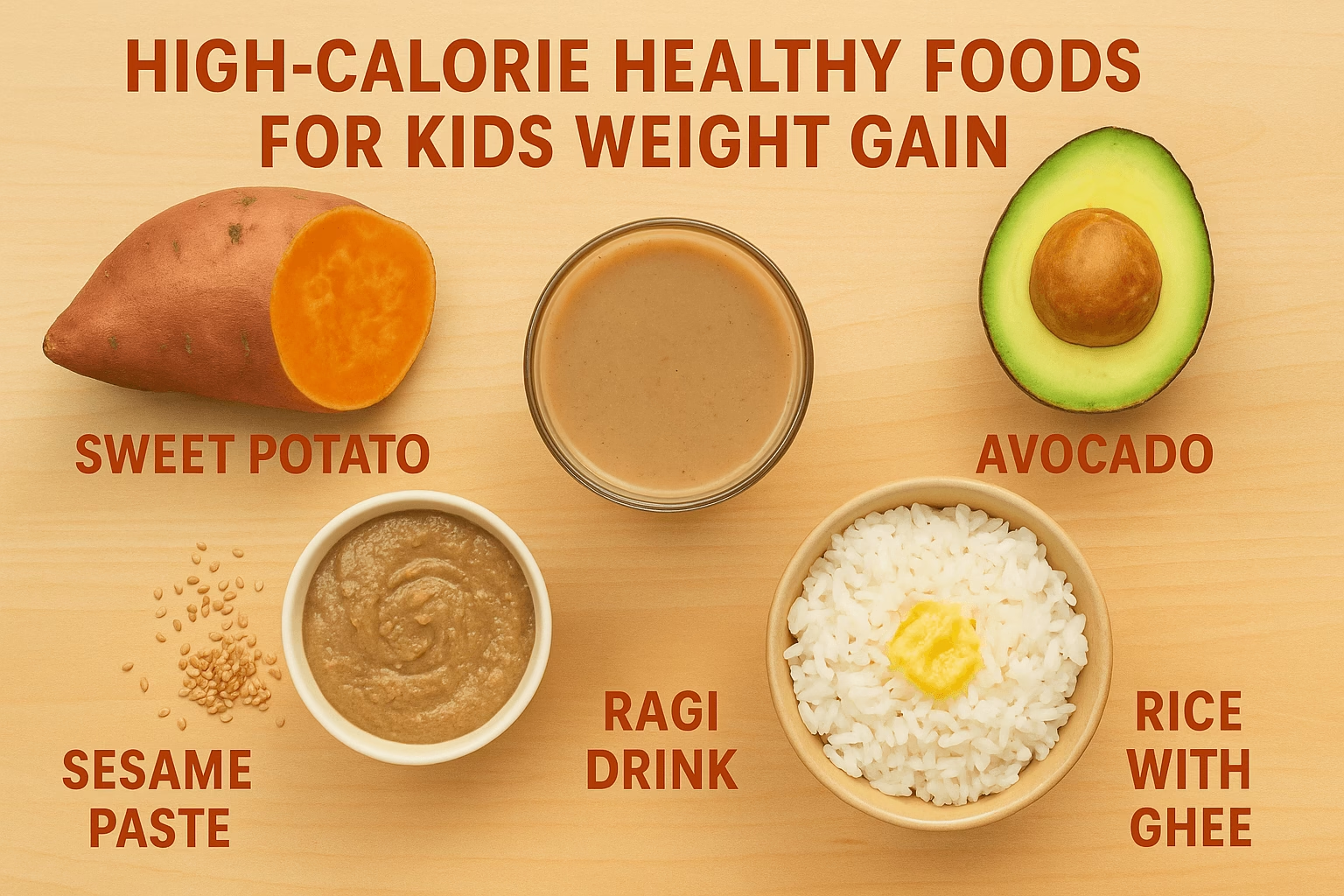
Introduction: Why Kids Don’t Gain Weight Even If They Eat Every Day
This guide shares 10 unique strategies—rare high-calorie foods and simple lifestyle methods that improve appetite and support healthy growth.
1. Sweet Potato Mash — Natural Energy Booster (Recipe)
Ingredients
- 1 medium sweet potato
- 1 tsp ghee
- Pinch of cardamom (optional)
How to Prepare
- Boil the sweet potato until fully soft.
- Peel the skin and mash smoothly.
- Mix 1 tsp ghee until creamy.
- Adjust the texture based on the child’s age.
How Much to Eat
- Toddlers: 3–4 spoons
- 3–8 yrs: ½ cup
- 8+ yrs: ¾ cup
Best Time
Evening snack — increases appetite for dinner.
Why It Helps
Slow energy + easy digestion + natural sweetness.
2. Ragi With Jaggery — Ancient High-Calorie Food (Recipe)
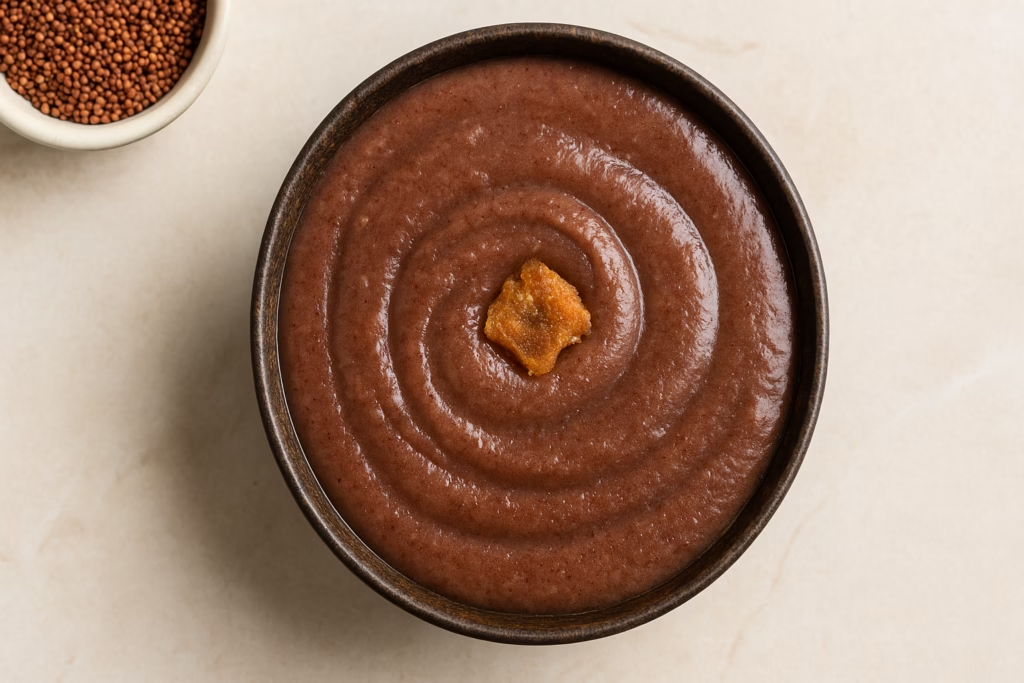
Ingredients
- 2 tbsp ragi flour
- 1 tsp jaggery
- ½ cup warm milk or water
How to Prepare
- Mix ragi with a little water into a smooth paste.
- Cook for 2–3 min on low flame.
- Add jaggery and mix well.
- Add warm milk for extra calories.
How Much
- Small kids: 3–4 tbsp
- Bigger kids: ½ cup
Best Time
Breakfast — keeps the child full longer.
Why It Helps
High in iron + calcium + steady energy release.
3. Cold-Pressed Oil Add-On — Instant Calorie Booster (Method Recipe)
Ingredients
¼–½ tsp cold-pressed coconut, groundnut, or sesame oil
How to Use
- Cook food normally (rice, dal, khichdi).
- Add oil after cooking, not while cooking.
- Mix well and serve warm.
How Much
- Toddlers: ¼ tsp
- Above 3 yrs: ½ tsp
Best Time
Lunch.
Why It Helps
Adds calories without increasing food volume.
4. Avocado Soft Mix — Healthy Fat for Weight Gain (Recipe)
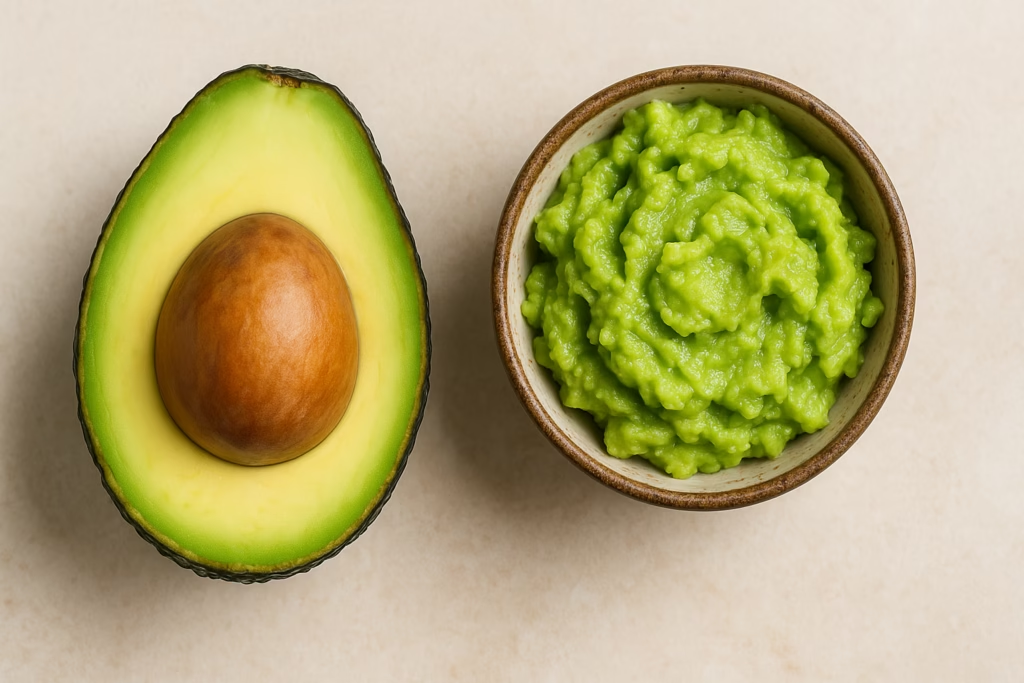
Ingredients
- ½ ripe avocado
- 2 tsp curd
- Honey (optional)
How to Prepare
- Scoop avocado flesh.
- Mash or blend with curd.
- Add a drop of honey for taste.
How Much
2–3 tbsp.
Best Time
Mid-morning or evening.
Why It Helps
Pure healthy fats → gentle on digestion.
5. Sesame & Jaggery Paste — Tiny Spoon, Big Nutrition (Recipe)
Ingredients
- 2 tsp roasted sesame (powdered)
- 1 tsp jaggery
- A few drops of ghee
How to Prepare
- Powdered roasted sesame seeds.
- Add jaggery and ghee.
- Mix into a thick paste.
How Much
1 tsp per day.
Best Time
Mid-morning.
Why It Helps
High calcium, iron, and healthy fats.

6. Gut-Health Booster Mix — Better Digestion = Better Weight (Mini Recipe)
Ingredients
- 3 tbsp curd
- 1 tsp fermented dosa batter (very mild)
- 1 small pinch of roasted cumin
How to Prepare
- Mix curd + a tiny spoon of fermented batter.
- Add a pinch of roasted cumin.
- Serve fresh.
How Much
2–3 tbsp daily.
Best Time
Lunch.
Why It Helps
Improves nutrient absorption → faster weight gain.
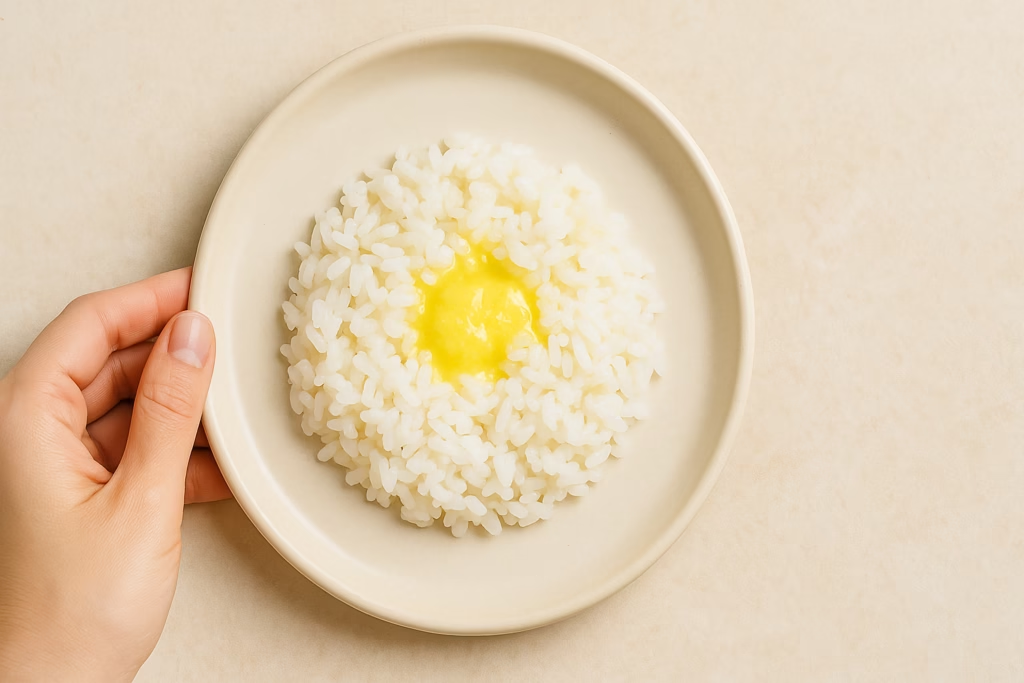
7. Small Plate Psychology — Eating Trick (Method)
How to Apply
- Use a small plate, not a big one.
- Serve a normal quantity, but the plate looks “full.”
- The child feels confident and finishes more.
Best Time
Every meal.
Why It Works
Mind thinks “plate is full → I should finish it.”
Extra Tip
Use colorful plates for picky eaters.
8. Happy-Mealtime Method — Emotion-Based Appetite Booster
How to Apply
- Avoid scolding, pressure, or force-feeding.
- Talk positively: “Good try!”
- Sit with the child while eating.
- Keep the environment peaceful.
Best Time
All meals.
Why It Works
Stress reduces hunger; happiness increases appetite.
Extra Tip
Use small stories during meals.
9. Warm Water Pre-Meal Trick — Appetite Activator
How to Apply
- Give 2–3 sips of warm water before meals.
- Not too hot, just lukewarm.
- Wait 2 minutes before serving food.
Best Time
Before lunch and dinner.
Why It Works
Warm water wakes up stomach muscles → increases hunger.
Extra Tip
Do not give a full glass.
10. Sleep & Weight Gain — Hormone-Based Method

How to Apply
- Set a fixed bedtime routine.
- No screens 1 hour before sleep.
- Dim lights, soft storytelling.
- Keep the bedroom cool and quiet.
Best Time
Night (9–10 PM ideal).
Why It Works
Deep sleep releases growth hormones → supports muscle gain + healthy fat gain.
Extra Tip
Kids need 9–11 hours for proper growth.
Unique Daily Routine (Not a strict meal plan)
Follow an easy structure that uses the foods and tricks above. The goal is consistency, not perfection.
- Morning: Warm water + small fruit.
- Breakfast: Ragi porridge or a small bowl of sweet potato mash.
- Mid-morning: 1 tsp sesame paste or avocado mix.
- Lunch: Regular meal + 1/2 tsp cold-pressed oil or a small knob of ghee.
- Evening: Outdoor play followed by a smoothie or warm snack (helps build appetite).
- Night: Curd rice or soft chapati; settle with a calm bedtime routine.
Expert Parent Tips (Rare but Powerful)
- Add calories smartly: Use energy-dense additions like ghee or tahini rather than increasing meal bulk.
- Let the child choose a shape: Kids eat more when they feel in control (let them pick a cup or plate shape sometimes).
- Avoid screen-feeding: Screens reduce true appetite signals.
- Encourage play: Physical activity increases hunger naturally.
When Parents Should Consult a Doctor
See a pediatrician if the child shows:
- No weight improvement over 3–4 months
- Frequent stomach problems
- Low energy or extreme disinterest in eating
Often, simple habit changes fix 80–90% of cases, but medical checks help rule out underlying causes.
Frequently Asked Questions (FAQ)
1. How can I increase my child’s weight naturally at home?
You can naturally improve your weight by including high-calorie, easy-to-digest foods like sweet potato, ragi, avocado, sesame paste, and cold-pressed oils. Warm water before meals, adequate sleep, and calm mealtimes support appetite and steady weight gain.
2. How many times should a child eat in a day for healthy weight gain?
Underweight children should eat 5–6 small meals rather than 3 large ones. Smaller portions improve digestion and total calorie intake.
3. Why is my child not gaining weight even after eating daily?
Reasons may include fast metabolism, poor sleep, low appetite signals, weak gut health, or stress. Fixing digestion and routines often helps most children.
4. How much oil or ghee is safe for kids daily?
About 1/4–1/2 teaspoon of cold-pressed oil or ghee per meal is safe for most children above age 3. Adjust by age and appetite.
5. Which time of the day is best for high-calorie foods?
Morning and evening are the most effective: morning gives energy, and evening improves appetite for dinner. Small servings at these times are helpful.
6. Does sleep really affect a child’s weight gain?
Yes — deep sleep releases growth hormones that support muscle and healthy fat gain. Consistent sleep helps appetite and growth.
7. Are smoothies good for kids who don’t eat much?
Yes. Smoothies give liquid calories without making the child feel too full. Use natural fruit, curd, and dry-fruit powder, and avoid added sugar.
8. When should parents consult a doctor about low weight?
Consult a pediatrician if the child remains underweight for several months, has persistent digestive issues, a very low appetite, or low energy.
Conclusion
Healthy weight gain in children is a slow, steady, and natural process. It doesn’t come from forcing food or making them eat large portions. Instead, it comes from giving the right high-calorie foods in small amounts that the body can digest comfortably. Simple choices like sweet potato mash, ragi with jaggery, avocado mix, sesame paste, and healthy oils add powerful nutrition without overwhelming the child.
Along with smart foods, daily habits matter a lot. Calm mealtimes help kids eat better, while warm water before meals boosts appetite naturally. Sleep also plays a major role: children who sleep well release growth hormones that support healthy muscle and weight gain. A strong gut improves nutrient absorption, so curd and fermented foods support long-term growth.
With these small but meaningful steps, children gradually become stronger, more energetic, and happier. Healthy weight gain happens naturally when the body feels supported, relaxed, and well-nourished.