

Introduction – You Are Not Alone
Dry skin may not look like a serious problem, but for many people, it affects confidence, comfort, and daily routine. You wake up in the morning, touch your face or hands, and feel tightness. Sometimes the skin feels rough, itchy, or uncomfortable. You apply lotion, and for a few hours, it feels fine. But the next day, the dryness comes back again.
Many people struggle with dry skin silently. They keep trying new soaps, creams, oils, and home remedies. Nothing seems to work for long. Over time, this becomes frustrating. People start feeling confused and tired of experimenting.
The truth is simple but often ignored: dry skin is usually not just a skin problem. In many cases, it is a sign that the body needs better care from the inside. This article explains the real reasons behind dry skin, common daily mistakes, and a simple diet and lifestyle guide that supports healthy skin naturally.
What Exactly Is Dry Skin?
Dry skin happens when the skin does not have enough moisture or natural oils to protect itself. The outer layer of the skin becomes weak, allowing moisture to escape easily.
Common signs of dry skin include:
- Tight or stretched feeling after bathing
- Itching, especially at night
- Flaky or peeling skin
- Rough texture
- Dull and tired-looking skin
Dry skin can appear on the face, hands, legs, arms, lips, and even the scalp. It can affect people of all ages and skin types, regardless of climate.
Why Dry Skin Is More Than a Surface Problem
Most people treat dry skin only from the outside. They focus on creams, lotions, and oils. These products can temporarily reduce dryness, but they do not address the root cause.
The skin reflects what is happening inside the body. When the body lacks water, proper nutrition, healthy fats, or rest, the skin shows signs first. Dry skin is often the body’s way of saying that something inside needs attention.
Real Reasons Doctors Don’t Tell You Clearly

1. Not Drinking Enough Water
Many people think they drink enough water, but in reality, they don’t. Tea, coffee, and soft drinks do not replace water.
When the body is dehydrated:
- Blood flow to the skin reduces
- Skin cells lose moisture
- The skin’s protective barrier becomes weak
This leads to dryness, tightness, and irritation. Drinking water regularly throughout the day is essential for skin hydration.
2. Avoiding Fats Completely
For years, people have been told that fats are bad. Because of this, many people completely remove fats from their diet.
The truth is that the skin needs healthy fats to stay soft and protected. Healthy fats help:
- Maintain skin softness
- Reduce moisture loss
- Support natural oil production
Without healthy fats, the skin becomes dry, rough, and sensitive.
3. Hidden Vitamin and Nutrient Deficiencies
Dry skin is often linked to low levels of important nutrients, such as:
- Vitamin A (supports skin repair)
- Vitamin E (protects skin cells)
- Omega-3 fatty acids (help reduce dryness and irritation)
Deficiencies usually develop slowly. People may not notice them until skin problems appear.
4. Poor Digestion and Gut Health
Eating healthy food alone is not enough. The body must digest and absorb nutrients properly.
Poor digestion can be caused by:
- Irregular meal timings
- Processed or junk foods
- Overeating
- Stress
When nutrients are not absorbed well, the skin does not receive what it needs to stay healthy.

5. Stress and Lack of Sleep
Stress affects the whole body, including the skin. Long-term stress increases stress hormones that:
- Slow skin repair
- Increase moisture loss
- Make skin more sensitive
Poor sleep adds to the problem by reducing the body’s natural healing process.
Common Daily Mistakes That Make Dry Skin Worse

Many people unknowingly make dry skin worse through daily habits.
Common mistakes include:
- Using very hot water for bathing
- Washing the skin too often
- Using strong or scented soaps
- Relying only on creams
- Ignoring sleep and hydration
Dry skin needs gentle external care and internal support together.
Simple Diet Guide for Healthy, Hydrated Skin
Morning Routine
- One glass of warm water after waking up
- Optional: a few drops of lemon
This helps hydrate the body and supports digestion.
Breakfast
Choose one healthy option:
- Oatmeal with fruits
- Whole-grain toast with vegetables
- Eggs with vegetables
- Fruit bowl with a small handful of nuts
Avoid sugary and processed breakfast foods.
Mid-Morning
- One fresh fruit (apple, orange, or papaya)
OR - Coconut water
This helps maintain hydration and provides vitamins.
Lunch
A balanced lunch should include:
- Rice or whole-grain bread (moderate portion)
- Cooked vegetables
- Lentils, beans, or yogurt
- Fresh salad
Avoid overeating, as heavy meals affect digestion.
Evening Snack
- Roasted nuts or seeds
- Green tea or herbal tea without sugar
Avoid fried snacks and sugary drinks.
Dinner
Dinner should be light and easy to digest:
- Vegetables with whole-grain bread
- Vegetable soup
- Simple home-cooked food
Finish dinner at least 2–3 hours before sleep.
Foods That Naturally Support Skin Moisture
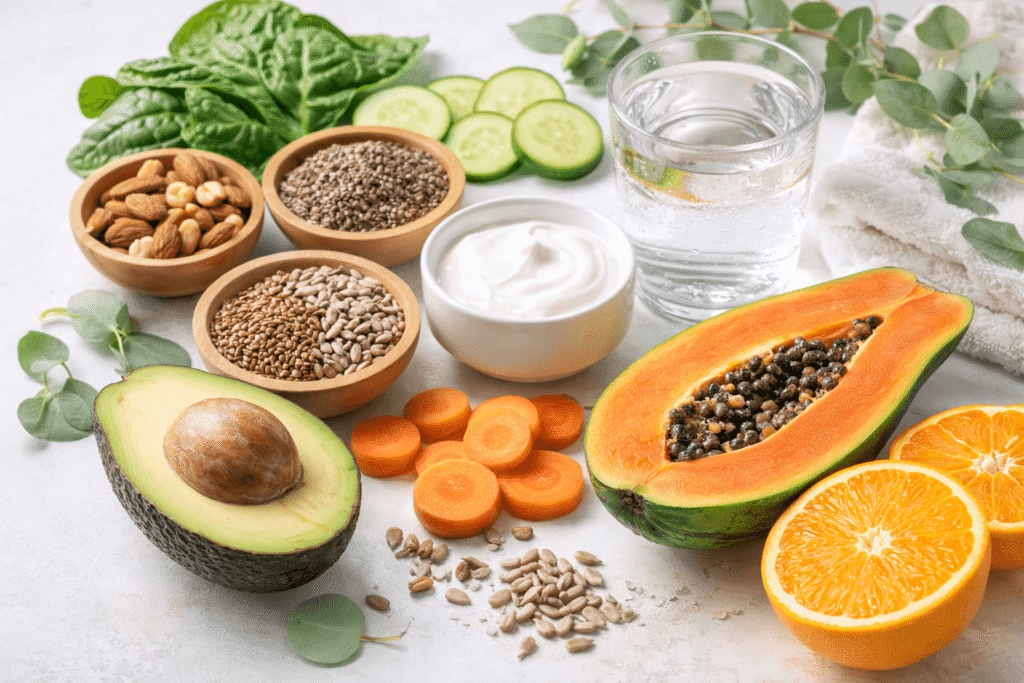
Regular intake of these foods supports skin hydration:
- Leafy green vegetables
- Carrots and cucumbers
- Nuts and seeds
- Yogurt
- Fruits with high water content
These foods nourish the skin from within.
Simple Lifestyle Changes That Truly Help
Daily Habits
- Drink water regularly throughout the day
- Avoid very hot showers
- Use mild, fragrance-free soaps
- Apply moisturizer after bathing
- Wear soft, breathable clothing
Sleep and Stress
- Sleep 7–8 hours every night
- Reduce screen time before bed
- Practice walking, stretching, or deep breathing
Small habits, when followed daily, create long-term improvement.
Why Quick Fixes Do Not Work
Many people look for instant solutions. They expect dry skin to disappear in a few days. This often leads to disappointment.

Dry skin develops slowly due to:
- Long-term dehydration
- Poor nutrition
- Stress
- Lifestyle habits
Because the cause develops over time, the solution also takes time. Consistency matters more than speed.
Myths vs Facts About Dry Skin
Myth: Dry skin happens only in winter
Fact: Diet, hydration, and habits matter all year
Myth: Expensive creams solve dry skin
Fact: Creams help, but they do not fix internal causes
Myth: Drinking water alone is enough
Fact: Nutrition, sleep, and lifestyle are also important
How Long Does It Take to See Improvement?
Results depend on consistency and individual habits:
- 1 week: Reduced itching and tightness
- 2 weeks: Skin feels smoother
- 1 month: Visible improvement in dryness
Long-term habits lead to long-term skin health.
Frequently Asked Questions
Is dry skin common?
Yes. Climate, age, diet, and lifestyle all affect skin moisture.
Can diet alone fix dry skin?
Diet helps, but lifestyle and skincare habits are also important.
Should moisturizers be avoided?
No. Use them as support, not as the only solution.
Why does dry skin worsen in winter?
Cold air and low humidity increase moisture loss.
Can stress really affect skin?
Yes. Stress slows skin repair and worsens dryness over time.
Final Thoughts – Be Kind to Your Body
Dry skin is nothing to feel embarrassed about. It is a signal, not a failure. When the body receives enough water, proper nutrition, good sleep, and gentle care, the skin slowly improves.
Instead of chasing quick fixes, focus on simple daily habits. These small steps may seem ordinary, but together they make a real difference over time.
Your skin reflects how you treat your body. Be patient and kind to it.
Disclaimer
This article is for educational purposes only.
It does not replace professional medical advice.
If you have persistent or severe skin problems, consult a qualified healthcare professional.