
Introduction
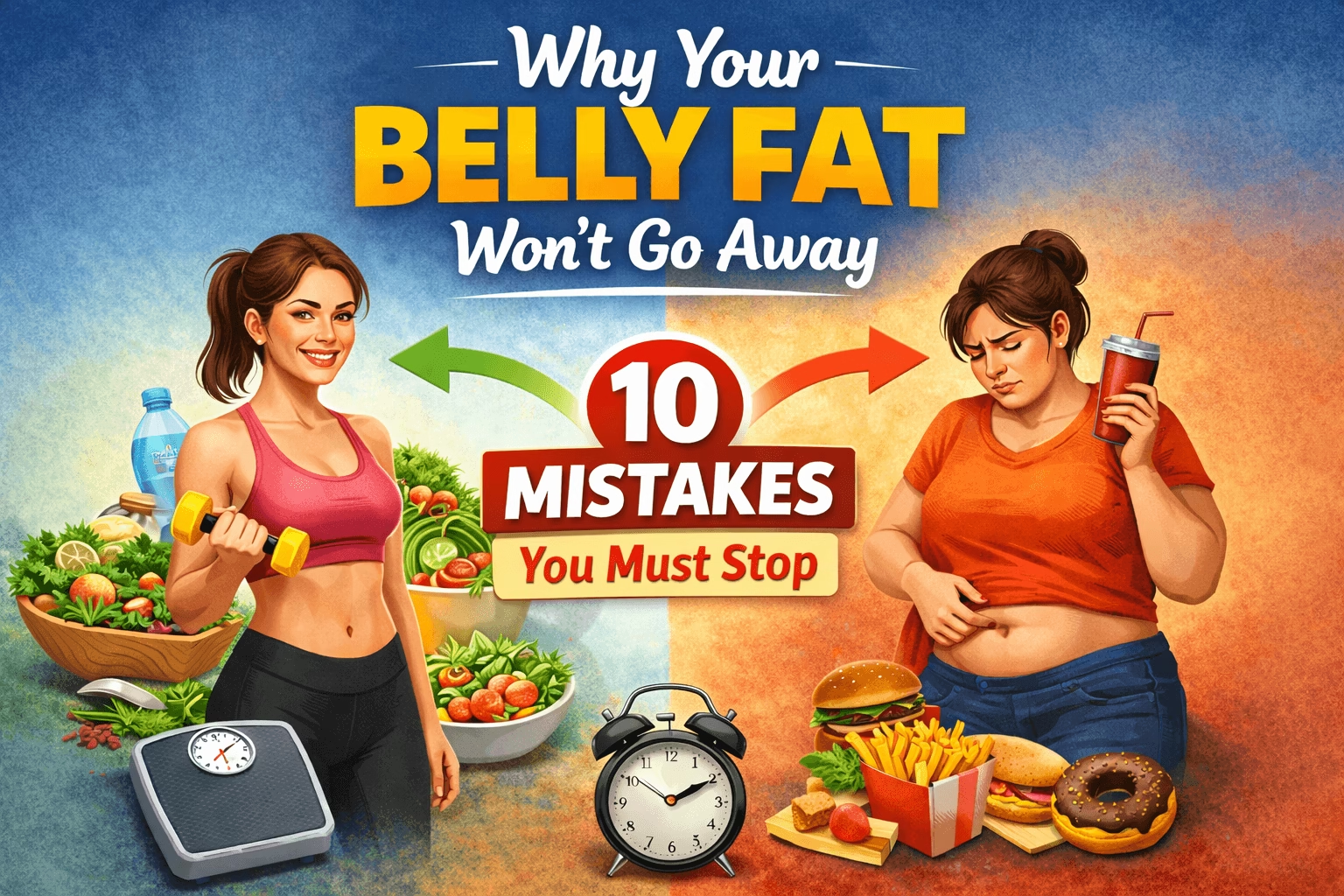
Belly fat is one of the biggest frustrations for many people. You try diets, exercise, and “quick tips” from the internet, yet the stomach still feels stubborn and heavy. It is easy to start thinking something is wrong with your body. But the truth is simpler.
Most people are not failing. They are simply repeating habits that quietly block progress.
Belly fat is strongly connected to lifestyle, hormones, sleep quality, stress, and how consistent you are over time. When you understand those things clearly, belly fat becomes easier to manage and less mysterious.
This guide explains the real reasons belly fat does not reduce, why common advice fails, and how you can move forward with confidence.
Mistake #1: Eating Very Little and Thinking It Will Burn Fat Faster
Many people believe that the less they eat, the faster they lose fat. At first, the scale may drop slightly, but soon progress stops. This happens because the body is designed for survival, not crash dieting.
When you constantly eat too little:
• metabolism slows
• hormones become unbalanced
• cravings increase
• energy drops
• muscle breaks down
A slowed metabolism means the body burns fewer calories even at rest. Over time, the body becomes more efficient at storing fat, especially around the stomach.
Balanced eating does the opposite. Regular meals with protein, vegetables, fiber, and healthy fats teach the body that food is available. Cravings calm down, muscles stay strong, and fat loss becomes steady.
Extreme dieting feels powerful in the beginning, but it always backfires. A calm, steady approach always wins in the long term.
Mistake #2: Doing Only Ab Exercises to Burn Belly Fat
Ab workouts are useful, but they are not the main engine of fat loss. Crunches and sit-ups build muscle under the fat layer. If fat covers the muscle, your stomach will look the same on the outside.
Fat loss works like this: the body decides where fat leaves first, based on genetics and hormones. That is why some people lose face fat, others lose thigh fat, while belly fat remains longer.
Full-body workouts are more powerful because they increase heart rate and use bigger muscles like legs and back. The more muscle groups trained, the more calories burned both during and after exercise.
Walking, strength training, and consistent movement shape the body slowly and naturally. Ab exercises are helpful, but they cannot replace a full lifestyle approach.
Mistake #3: Drinking Too Many Calories Without Realizing It
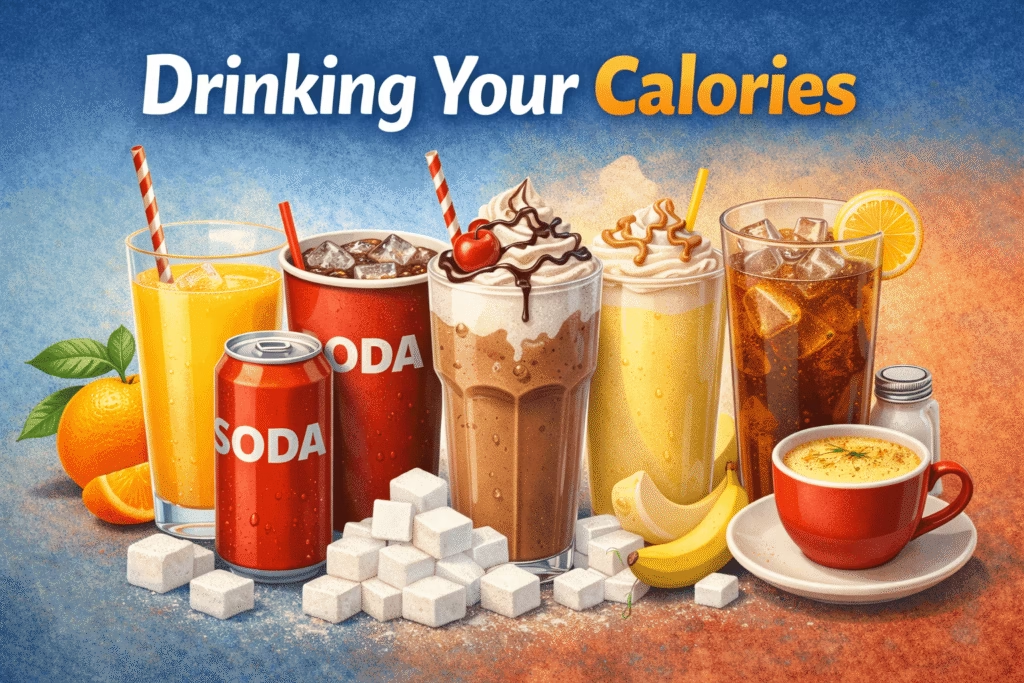
Sugary drinks are one of the easiest ways to gain fat without noticing. They feel light and refreshing, but they deliver high sugar without fullness.
Examples include:
• packaged fruit juices
• fizzy drinks and soda
• flavored coffee with cream and syrup
• sweet tea
• milkshakes and desserts in liquid form
Because liquid calories do not need chewing, the brain does not treat them as “food.” Hunger returns quickly, and you keep consuming more.
Over time, this increases blood sugar spikes, insulin resistance, and belly fat storage. The simple act of replacing sugary drinks with water, lemon water, unsweetened tea, or black coffee can reduce hundreds of calories weekly without effort.
It is one of the easiest and most powerful changes anyone can make.
Mistake #4: Sleeping Too Little and Ignoring Rest
Many people work late, scroll on their phones, or binge-watch shows and sacrifice sleep. But sleep is not optional. It is part of metabolism.
When sleep is poor:

• hunger increases
• cravings rise
• motivation drops
• stress hormones rise
Cortisol pushes the body to store fat in the abdominal area. Lack of sleep also affects decision-making, so junk food feels more tempting and exercise feels harder.
Creating a night routine helps greatly. A calm room, lower light, fewer screens, and a consistent sleeping time help the mind settle. When sleep improves, fat loss becomes easier, appetite stabilizes, and energy levels increase.
Mistake #5: Believing Detox Drinks and Quick Fixes Will Burn Fat
Clever marketing often sells dreams. Powders, teas, miracle juices, and expensive supplements promise results without effort. The truth is simpler: the body already has detox systems — the liver, kidneys, lungs, and skin.
Detox drinks may hydrate or support digestion, but they do not magically remove belly fat.
Quick-fix methods often:
• cause water loss, not fat loss
• weaken the body
• damage metabolism
• create dependency
Real results come from repetition and patience. When you build habits, your body learns a healthier rhythm. No shortcut can replace consistency.
Mistake #6: Sitting All Day With Very Little Movement
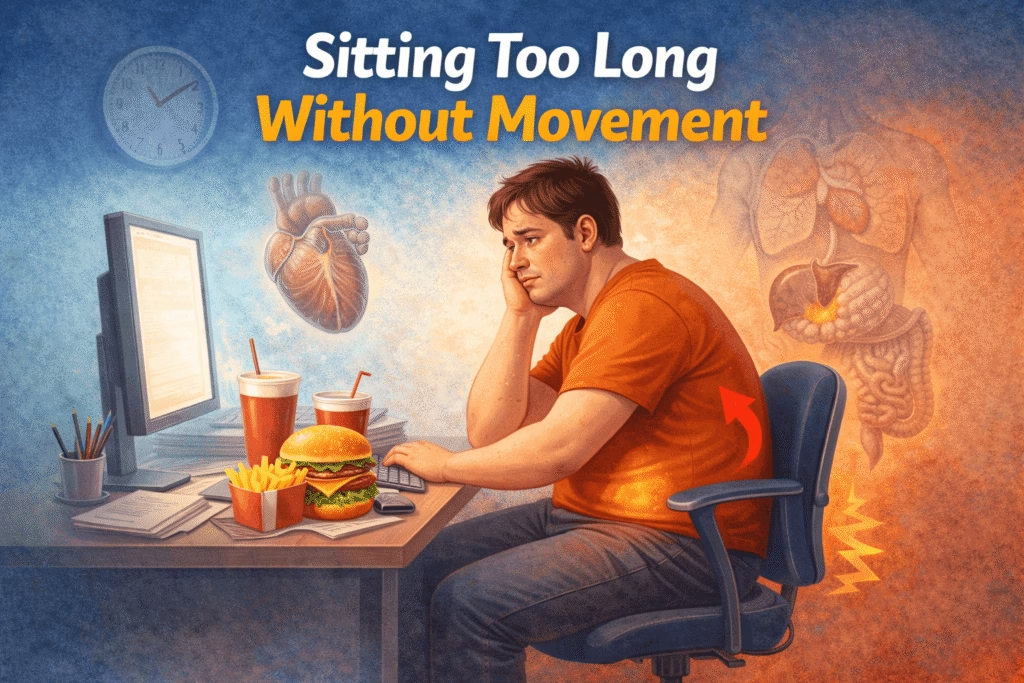
The body was designed to move. Modern life reduces movement dramatically. Sitting slows fat burning, weakens muscles, and reduces circulation.
Even people who exercise once a day can still struggle if they sit for the remaining hours.
Small daily movements matter. Walking to the shop instead of driving, standing while making phone calls, light stretching during breaks, or walking after meals all add up.
Regular light movement signals to the body that it must stay active. When activity increases, insulin sensitivity improves, digestion gets better, and belly fat reduces slowly.
Mistake #7: Eating Very Little Protein in Daily Meals
Protein supports every system in the body. It builds hair, nails, hormones, muscles, and enzymes. Without enough protein, the body struggles to repair and build tissue. Hunger increases and recovery slows.
Protein also keeps you full longer, which naturally reduces snacking.
Simple ways to increase protein include adding eggs, lentils, tofu, yogurt, paneer, fish, or chicken to meals. Balanced protein levels support both metabolism and muscle tone. When muscle mass increases slightly, fat reduction becomes easier.
Mistake #8: Overeating Foods That Seem “Healthy”
Health labels can be misleading. Many foods marked as natural or wholesome still contain large amounts of sugar or calories.
Granola bars, trail mixes, fruit juices, smoothies loaded with syrups, and heavy amounts of ghee seem innocent but can quickly exceed daily calorie needs.
Healthy eating is not about eliminating foods. It is about understanding quantity. When portions are reasonable, the body receives the nutrients it needs without storing extra energy as fat. The key is awareness, not fear.
Mistake #9: Expecting Fast Results and Giving Up Quickly
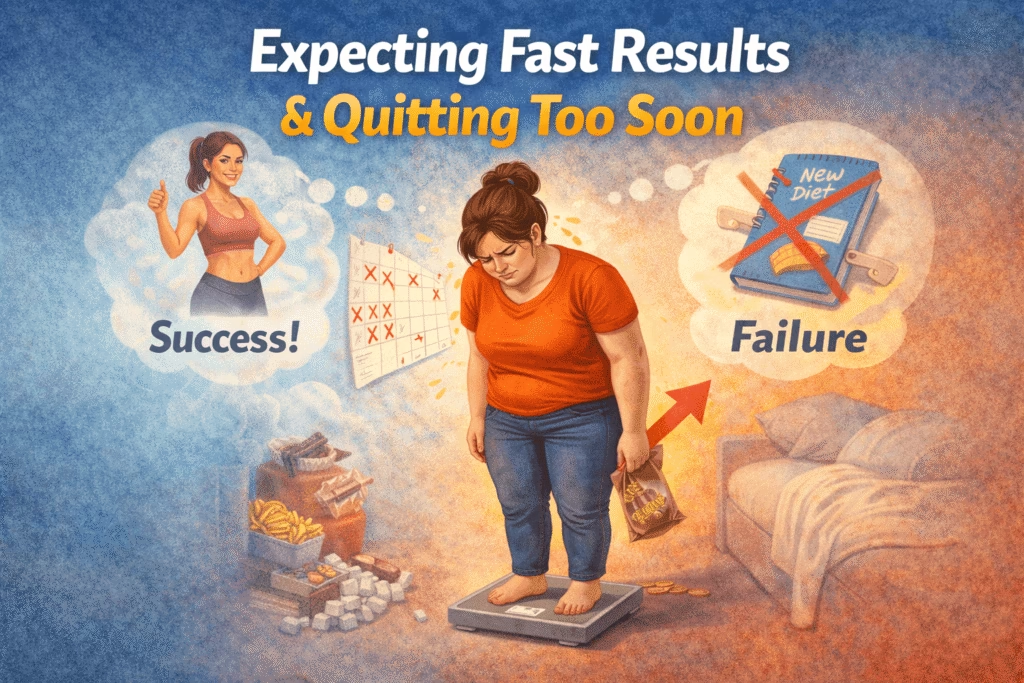
Fat loss is not a race. The body prefers slow adjustments. Quick changes often happen due to water shifts or digestive differences. People who constantly chase fast results often quit because they expect unrealistic speed.
Progress is quiet. Sometimes clothes feel slightly looser before the scale moves. Sometimes energy improves first. Sometimes strength improves while weight stays stable.
Trusting the process is difficult, but it is necessary. A long-term approach is the only approach that truly works.

Mistake #10: Ignoring Stress and Emotional Health
Stress does not only live in the mind — it lives in the body. Chronic stress increases cortisol, pushes appetite upward, reduces sleep quality, and encourages emotional eating.
Many people eat not because they are physically hungry, but because food offers comfort.
Learning healthier coping strategies changes everything. Breathing, journaling, spending time outdoors, speaking with supportive people, and building routines all calm the nervous system. When peace improves, health follows.
Frequently Asked Questions
1. Can I lose belly fat without dieting?
Improving food quality is necessary. It does not need to be strict, but awareness is important.
2. Is cardio enough on its own?
Cardio helps, but strength training protects muscle and metabolism. Both together are more effective.
3. Does age make belly fat harder to lose?
Metabolism slows slightly with age, but consistency can still produce results at any stage of life.
4. Is breakfast important?
Skipping breakfast is not always wrong, but overeating later becomes more likely. Balanced meals work best.
5. Can stress alone cause belly fat?
Yes. Long-term stress triggers hormonal responses that encourage storage around the stomach.
6. What is the biggest mistake beginners make?
Expecting fast results and quitting too early.
7. How much water should I drink daily?
Most adults benefit from two to three liters daily, unless a doctor advises otherwise.
8. When should I see a doctor about belly fat?
If belly fat grows rapidly, appears with pain, or you suspect hormonal or thyroid problems, medical guidance is important.
Final Conclusion:
Belly fat does not disappear because of one special drink, one workout, or one strict diet. It changes slowly when your daily habits begin to support your body instead of fighting against it.
Most people focus only on calories or exercise, but belly fat is connected to many things: sleep, stress, hormones, activity levels, food quality, consistency, and patience. When even one of these areas is ignored, progress slows, and frustration grows.
The most important lesson is that there is nothing “wrong” with you. Your body is simply responding to the signals you give it every day. When it receives too little food, too much sugar, too much stress, long sitting, and poor sleep, it protects itself by storing fat. When it receives balanced meals, regular movement, good rest, and emotional care, it slowly begins to release that fat.
Change does not happen overnight. Real transformation happens quietly. You may not notice big differences in one week, but you will see them in three months, six months, and one year. Your clothes fit differently, your energy becomes stable, your mind feels clearer, and your confidence grows.
Think long term. Focus on progress, not perfection. Choose habits you can continue even on busy days. Walk instead of sitting, cook instead of constantly ordering food, sleep earlier, manage stress gently, and stay patient.
If you keep showing up for yourself every day, even in small ways, your body will respond. Belly fat is not the problem. It is simply a sign that your body needs better care — and today is the best time to start giving it.
Disclaimer
This article is for educational and informational purposes only. It is not intended to replace professional medical advice, diagnosis, or treatment. Everyone’s body is different, and results may vary depending on health, age, lifestyle, and medical conditions.
Do not start any diet, exercise program, supplement, or weight-loss plan without first consulting your doctor, nutritionist, or qualified healthcare professional. If you experience pain, dizziness, chest discomfort, or any unusual symptoms, stop immediately and seek medical help.
The information shared here is based on general health knowledge and should not be considered as personal medical advice.