
Introduction:
Hormonal Imbalance in women can affect the body in many silent ways before serious health problems appear. Every woman’s body functions like a well-tuned system, where hormones regulate energy levels, mood, weight, sleep, digestion, and reproductive health. When these hormones lose their natural balance, the entire system slowly becomes disturbed.
You may feel tired without a clear reason, notice sudden mood changes, gain weight unexpectedly, or struggle with poor sleep. Many women ignore these symptoms, thinking they are normal or caused by daily stress. However, these are not random problems. They are early warning signals from your body asking for attention and care.
In this article, we will explore 10 early signs of hormonal imbalance in women and explain how to restore balance naturally and safely using simple lifestyle changes, proper nutrition, stress management, and healthy daily habits
1. Irregular Periods – The Most Common Sign
Irregular menstrual cycles are often the first warning sign of hormonal imbalance.
Your period may come early, late, or sometimes skip entirely.
Why does it happen:
- Estrogen and progesterone control the menstrual cycle.
- Stress, poor sleep, and unhealthy eating habits disturb hormone levels.
- Conditions like PCOS can also cause irregular periods.
Natural Fix:
- Maintain a consistent sleep and wake-up schedule.
- Reduce sugar and refined flour.
- Include flaxseeds and sesame seeds in your diet.
- Drink warm water with turmeric every morning.
2. Sudden Weight Gain or Difficulty Losing Weight

If you eat healthy but still gain weight, hormones may be the real reason.
Why does it happen:
- Low thyroid hormones slow down metabolism.
- High cortisol increases belly fat.
- Insulin imbalance increases cravings and fat storage.
Natural Fix:
- Walk for at least 30 minutes daily.
- Sleep 7–8 hours every night.
- Eat protein-rich foods like eggs, lentils, paneer, and nuts.
- Avoid sugary and packaged foods.
Many women blame themselves for weight gain, but it is often about hormone balance, not willpower.
3. Constant Fatigue – Feeling Tired All the Time
Feeling exhausted even after proper sleep can indicate internal hormonal stress.
Why does it happen:
- Low thyroid or adrenal fatigue.
hormonal problems in women
- Iron or vitamin D deficiency.
- Chronic emotional stress.
Natural Fix:
- Get morning sunlight daily.
- Eat iron-rich foods like spinach, jaggery, and pumpkin seeds.
- Reduce caffeine intake.
- Practice breathing exercises or meditation.
4. Mood Swings and Anxiety
Sudden emotional changes without a clear reason are often hormone-related.
Why does it happen:
- Estrogen affects serotonin levels in the brain.
- Low progesterone increases anxiety.
Natural Fix:
- Eat magnesium-rich foods like almonds and bananas.
- Spend time outdoors.
- Do not skip meals.
- Write your thoughts or talk openly with someone you trust.
5. Hair Fall or Thinning Hair
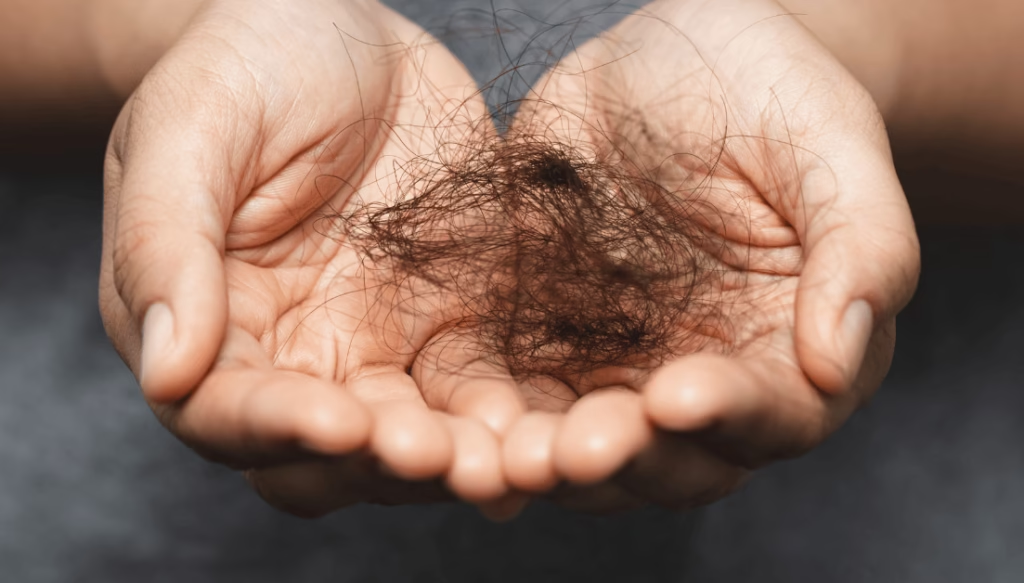
Excessive hair fall or thinning is often linked to hormonal imbalance.

Why does it happen:
- Low thyroid hormones.
- Iron deficiency.
- High testosterone levels in PCOS.
Natural Fix:
- Consume soaked fenugreek seeds.
- Eat biotin-rich foods like eggs and almonds.
- Massage scalp with coconut oil.
- Reduce stress levels.
6. Trouble Sleeping or Insomnia
Difficulty falling asleep or staying asleep can be hormone-related.
Why does it happen:
- Low progesterone affects sleep quality.
- High cortisol keeps the mind alert.
Natural Fix:
- Avoid screens before bedtime.
- Drink warm milk or herbal tea.
- Keep your bedroom dark and cool.
- Sleep at the same time daily.
7. Acne and Oily Skin
Adult acne, particularly around the jawline, is often caused by hormonal fluctuations.
Why does it happen:
- Excess androgen hormones.
- Poor gut health.
Natural Fix:
- Drink enough water.
- Avoid dairy and processed sugar temporarily.
- Eat zinc-rich foods.
- Use gentle skincare products.
8. Low Libido (Reduced Desire)
Low sexual desire is often linked to hormone imbalance, not age.
Why does it happen:
- Low estrogen or testosterone.
- High stress hormones.
Natural Fix:
- Improve sleep quality.
- Reduce stress.
- Eat healthy fats like avocados and nuts.
- Practice yoga and relaxation.
9. Digestive Problems and Bloating
Frequent bloating or gas can be hormone-related.
Why does it happen:
- Estrogen affects digestion.
- Stress slows gut movement.
Natural Fix:
- Drink warm lemon water in the morning.
- Include probiotics like curd.
- Avoid carbonated drinks.
- Chew food slowly.
10. Sugar Cravings and Energy Crashes
Constant sugar cravings signal an insulin imbalance.
Why does it happen:
- Imbalanced insulin and cortisol.
- Low serotonin levels.
Natural Fix:
- Eat balanced meals every 3–4 hours.
- Replace sugary snacks with fruits.
- Add cinnamon to meals.
How to Naturally Support Hormonal Balance Daily
- Eat whole, unprocessed foods.
- Drink enough water.
- Sleep 7–8 hours daily.
- Manage stress through relaxation.
- Exercise regularly.
- Include healthy fats.
- Get daily sunlight.
When to See a Doctor
If symptoms continue for more than 3–4 months despite lifestyle changes, consult a healthcare professional.
Blood tests may help identify conditions like thyroid disorders or PCOS.
Frequently Asked Questions (FAQs)
1. What is a hormonal imbalance in women?
Hormonal imbalance happens when one or more hormones in a woman’s body are too high or too low.
Hormones control periods, weight, mood, sleep, skin, digestion, and energy.
When they are not balanced, many physical and emotional symptoms can appear.
2. What are the early signs of hormonal imbalance?
Early signs include irregular periods, sudden weight gain, constant fatigue, mood swings, and hair loss.
acne, poor sleep, digestive problems, sugar cravings, and low libido.
These signs usually appear slowly and are often ignored at first.
3. Can a hormonal imbalance be fixed naturally?
Yes, in many cases, hormonal imbalance can be improved naturally.
Healthy food, proper sleep, stress management, regular movement, and good daily routines
help the body restore hormone balance over time.
Consistency is more important than quick results.
4. What foods help balance hormones in women?
Foods that support hormone balance include fruits, vegetables, whole grains, nuts, seeds,
eggs, lentils, curd, healthy fats like ghee and olive oil, and iron-rich foods.
Reducing sugar, refined flour, and processed foods is equally important.

5. Does stress really affect hormones?
Yes, stress directly affects hormones.
High stress increases cortisol, which disturbs other hormones like estrogen,
progesterone, insulin, and thyroid hormones.
Managing stress through sleep, walking, meditation, or hobbies helps hormones stabilize.
6. Why am I gaining weight even though I eat healthy?
Sudden weight gain or difficulty losing weight is often linked to hormonal issues,
especially thyroid problems, insulin resistance, or high cortisol.
In such cases, the problem is not willpower but internal hormonal imbalance.
7. When should I see a doctor for a hormonal imbalance?
You should consult a doctor if symptoms last more than 3–4 months,
get worse, or affect daily life.
A doctor may suggest blood tests for thyroid, insulin, estrogen, or progesterone
to identify the exact cause.
8. Is a hormonal imbalance common after age 30?
Yes, hormonal changes are common after age 30 due to lifestyle stress,
poor sleep, nutritional deficiencies, pregnancy, or approaching menopause.
However, early care and healthy habits can prevent long-term problems.
Conclusion:
Hormonal imbalance does not happen overnight. It develops slowly, often because of stress, poor sleep, unhealthy eating habits, or constant pressure on the body and mind. The good news is that your body is always trying to protect and heal itself. Every symptom you experience is not a problem — it is a message asking for care, balance, and attention.
By choosing nourishing foods, getting enough rest, managing stress, and following simple daily routines, you can support your hormones naturally. Small changes, done consistently, make a powerful difference over time. Healing does not require extreme diets or instant solutions. It requires patience, kindness toward your body, and trust in the process.
Remember, your body is not working against you. It is communicating with you every day. When you listen carefully and respond with healthy habits, balance slowly returns — and so do your energy, confidence, and overall well-being.